Physical Therapy, Grand Rapids MI.
Understanding Your Injury & Tissue Healing
Learn how different tissues in the body break down, how they actually heal, and how we build their capacity to keep you pain-free.
Phone: 616-344-4469
A Clear Path Back to the Activities You Love

Resolve Pain
Understand what's contributing to your pain and begin moving comfortably again.

Rebuild Capacity
Develop the strength, mobility, and resilience your body needs.

Experience Life
Return to the activities you love with greater confidence.
Muscle Tissue
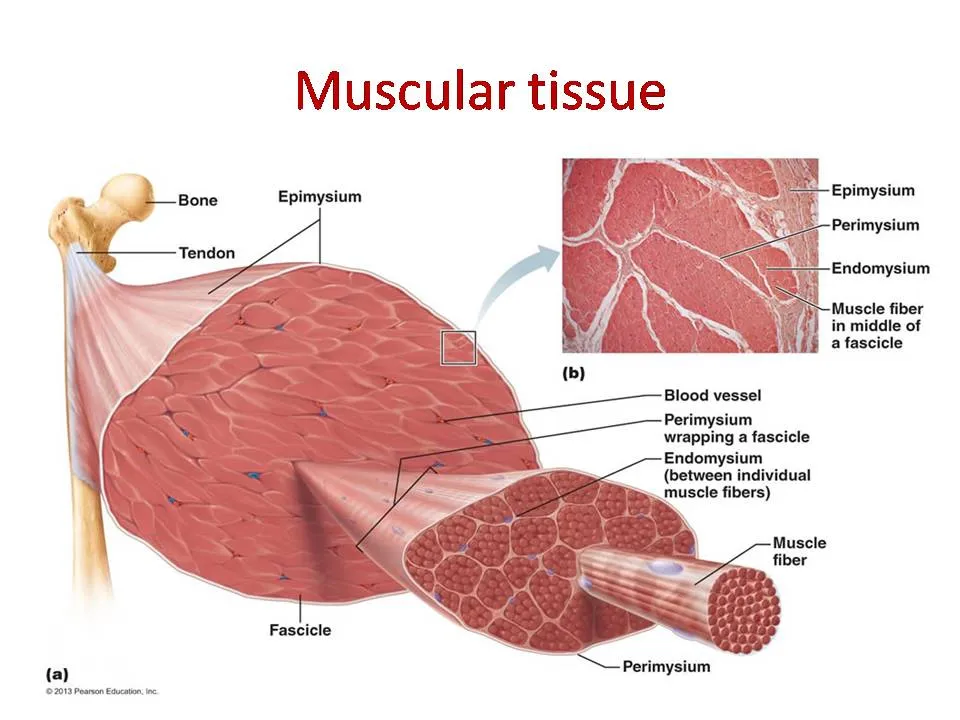
Muscles are highly vascular and adaptable, meaning they heal quickly when exposed to progressive loading. They usually break down when asked to absorb sudden force or high volume beyond their current endurance capacity.
How It Gets Injured & Heals:
Overstretching or sudden force causes micro-tears. Because blood flow is rich, muscles heal fast when given active movement and gradual load instead of complete rest.
Common Injuries:
Hamstring strains, calf pulls, strain-induced muscle spasms, rotator cuff strains and quad tears.
10th
Experience
Tendons & Fascia
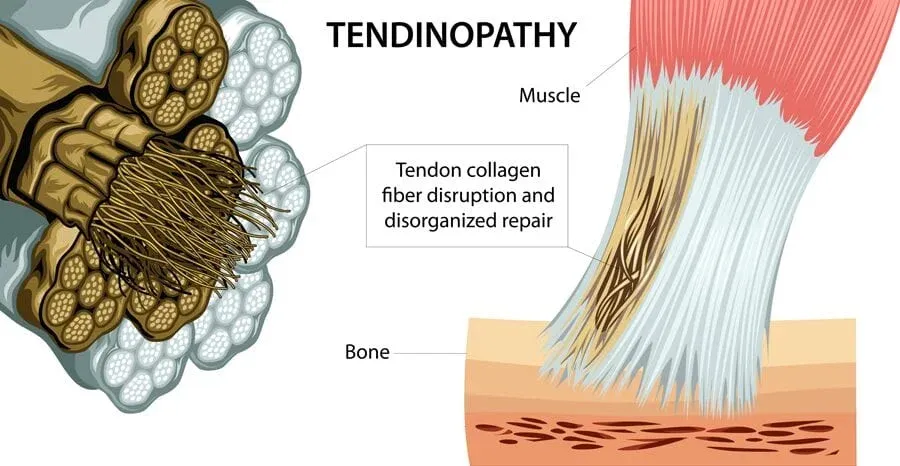
Tendons and fascia act as spring-like shock absorbers connecting muscle to bone. Because they have lower blood flow than muscles, they adapt slower and react poorly to sudden spikes in training volume.
How It Gets Injured & Heals:
Repetitive stress exceeds the tissue's load capacity, leading to irritation rather than long-term inflammation. Healing requires heavy, slow loading to stimulate collagen remodeling.
Common Injuries:
Achilles tendinopathy, patellar (jumper’s) knee, plantar fasciitis, and golfer's/tennis elbow.
10th
Experience
Joints & Ligaments
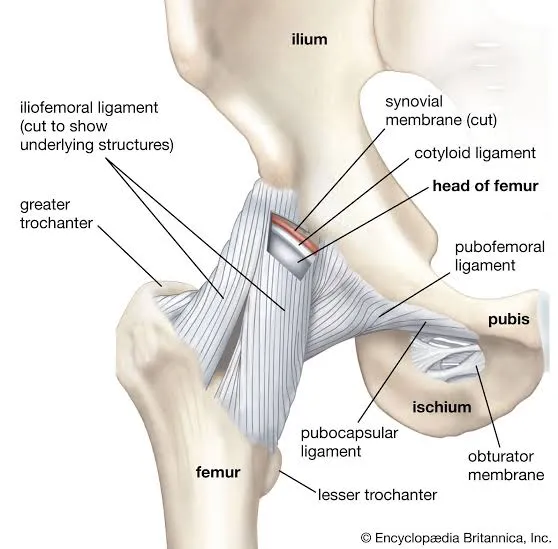
Ligaments are tough bands that connect bone to bone and keep joints stable during movement. When a joint is pushed past its natural range, ligaments absorb the brunt of the force to protect the joint structure.
How It Gets Injured & Heals:
Injuries stem from traumatic twists or sharp lateral forces. Because ligament blood supply is limited, recovery relies on restoring joint stability and progressively rebuilding tissue strength.
Common Injuries:
Ankle sprains, ACL/MCL sprains, wrist sprains, and joint instability.
10th
Experience
Capsules & Cartilage
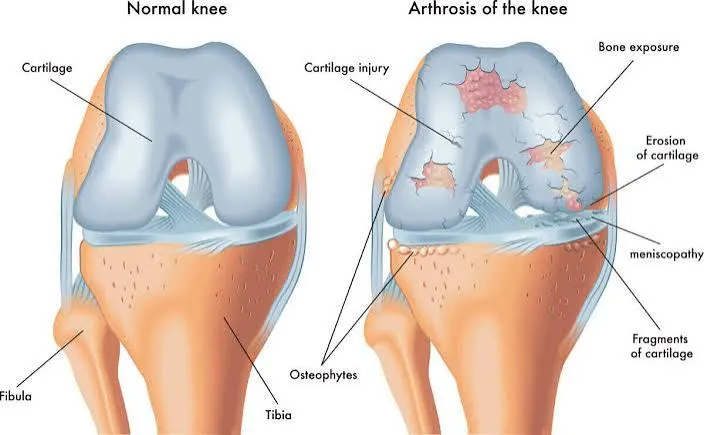
Joint capsules enclose your joints, while cartilage acts as a smooth, glass-like cushion on the ends of your bones. Neither structure has a direct blood supply—they depend entirely on joint movement to circulate nutrients and heal.
How It Gets Injured & Heals:
Injuries happen through heavy impact, twisting under load, or chronic wear from poor joint mechanics. Controlled, low-impact loading pumps fluid into the joint to keep the tissue healthy.
Common Injuries:
Meniscus tears, hip/shoulder labral tears, joint capsule stiffness, and cartilage wear.
10th
Experience
Bones & Discs
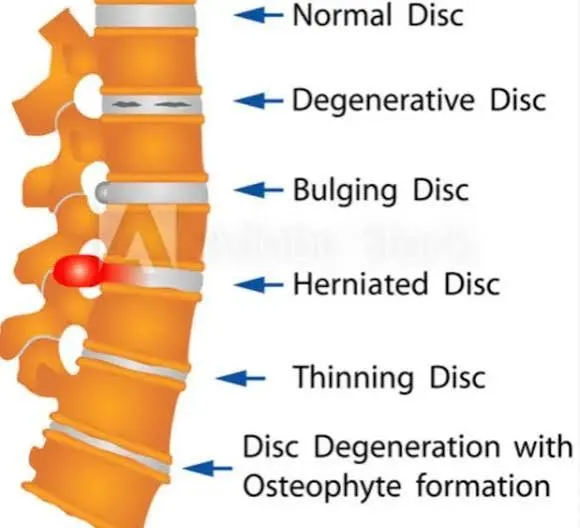
Bones and spinal discs are engineered to handle massive vertical loads. However, they begin to break down when physical stress accumulates faster than the body can repair and rebuild density.
How It Gets Injured & Heals:
Bones heal via rich blood flow when stabilized and gradually reloaded. Discs shift fluid through movement and heal best through controlled spinal positioning, core stiffness, and smart load management.
Common Injuries:
Shin splints, stress fractures, herniated or bulging discs, and degenerative disc irritation.
10th
Experience
Nerves
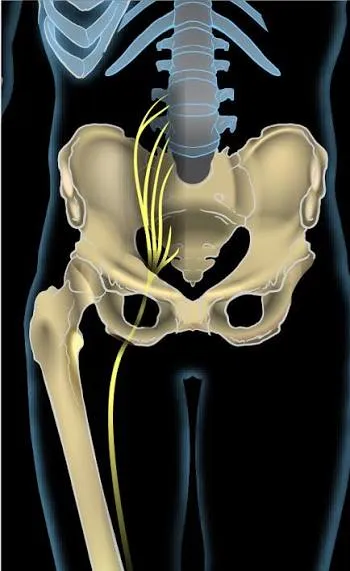
Nerves act as the electrical wiring for your muscles and skin. They don't like being stretched, compressed, or rubbed against stiff surrounding tissues, reacting instantly with sharp threat signals when irritated.
How It Gets Injured & Heals:
Nerve irritation happens when tight muscles or swollen joints pinch the nerve pathway. Nerves heal by removing mechanical pressure and gently restoring "nerve glide" through movement.
Common Injuries:
Sciatica, pinched nerves, nerve entrapment, and radiating numbness/tingling down the arm or leg.
10th
Experience
Bursae & Fat Pads
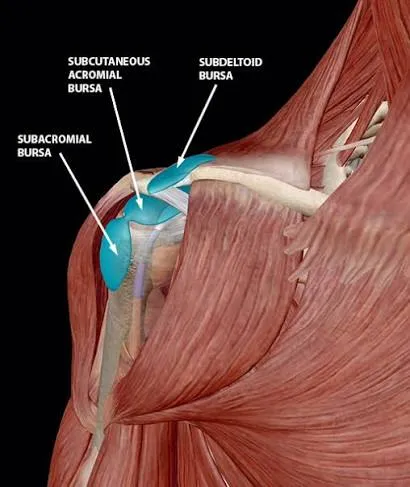
Bursae and fat pads are friction-reducing shock absorbers tucked between bones, tendons, and skin. When subjected to constant rubbing or direct impact, they swell to protect the surrounding joints.
How It Gets Injured & Heals:
Irritation is caused by repetitive friction or direct trauma. They heal best by calming down the local compression, fixing underlying movement mechanics, and removing the constant rubbing.
Common Injuries:
Subacromial shoulder bursitis, hip (trochanteric) bursitis, and heel/patellar fat pad impingement.
10th
Experience
"Working with Revolution Rehab completely changed my trajectory as a runner. Instead of just treating my symptoms or telling me to rest, Tyler broke down the root cause of my injury, taught me how to manage my training load, and built my physical capacity so I could get back to running pain-free."
"The 1-on-1 attention and data-driven approach gave me full confidence in my body again. It’s not just temporary relief—it’s a long-term strategy that keeps me on the road and hitting my race goals."
Testimonials
What Clients Say

“Their sessions helped me find calm and clarity. Each class brings peace and strength I carry into daily life. I’ve never felt more connected to my body and mind.”

Jenny
Blogger
FAQs
Answer Of Some PT Questions
Can physical therapy help with nerve pain, cartilage wear, or joint issues—or is it just for muscle pain?
Physical therapy treats every load-bearing tissue in the human body, not just muscle. While muscles absorb force, your tendons, ligaments, joint capsules, cartilage, bones, and nerves all adapt to mechanical load. Whether you are dealing with a pinched nerve, a flared-up bursa, or cartilage wear, targeted physical therapy reduces mechanical threat, restores joint clearance, and systematically builds tissue capacity to resolve pain.
If I don't need surgery for my injury, what are my best options for recovery?
When surgery isn't required, your choices generally fall into two categories: masking symptoms or fixing the structural capacity. Medications, cortisone injections, and passive adjustments may temporarily dial down pain, but they do not make your tissues stronger. Conservative care through data-driven physical therapy calms down active threat signals first, then progressively loads your specific tissue type so your body can handle real-world stress long-term.
Why do some injuries like tendonitis or ligament sprains take so much longer to heal than muscle strains?
Healing timelines depend almost entirely on blood supply and metabolic rate. Muscles have a rich blood supply, allowing them to repair micro-tears in weeks. Tendons, ligaments, cartilage, and spinal discs have significantly lower blood flow, meaning they adapt and remodel much slower. Understanding your specific tissue's healing rate allows us to structure progressive loading programs that build density without triggering setback flare-ups.
How does physical therapy adapt treatment based on how severe my tissue injury is?
We tailor our approach to where your tissue sits on the irritable-to-durable spectrum. In acute, highly sensitive stages (strains, tears, or nerve pinches), we use hands-on modalities and movement modifications to reduce nervous system threat. As tissue sensitivity calms, we transition into heavy, slow loading, isometric holds, or high-velocity work to rebuild full tensile strength and load tolerance.
How can a physical therapist treat a pinched nerve or radiating pain down my arm or leg?
Nerves don't need traditional stretching—they need mechanical decompression and room to glide. Nerve pain happens when surrounding tight muscles, inflamed bursae, or bulging discs compress the nerve pathway. We treat nerve issues by identifying where the bottleneck occurs, clearing joint space to remove mechanical pressure, and using gentle "nerve gliding" drills to calm the nervous system.
How do I know if my injury needs physical therapy or an MRI and surgery?
Most non-traumatic joint, tendon, and spine issues improve significantly with conservative load management before imaging is ever necessary. Unless you experience progressive neurological loss, unmanageable trauma, or severe instability, high-value physical therapy is the recommended first-line treatment. If your tissue fails to adapt or shows red flags, we refer you directly to top specialists for targeted diagnostic imaging.
Stay connected and keep your wellness journey on track with our expert physical therapist. Subscribe for the latest updates, exclusive offers, and tips. Join our community and develop the capacity to experience life!
Pages
Information

Address
4981 Plainfield Avenue Northeast Suite D, Grand Rapids MI 49525

Call Us
(616) 344-4469


Fax
(616) 841-9970


© 2026 Revolution Rehab - All Rights Reserved | Healthcare Disclaimer | HIPAA Privacy Policy | Privacy Policy | Terms Of Service | Accessibility Statement | Anti-Discrimination | Good Faith Estimate | AI-Generated Content Disclaimer | XMLSitemap