Physical Therapy, Grand Rapids MI.
Targeted Treatment & Recovery Techniques
We combine hands-on treatment, movement, and strength work to reduce pain, restore mobility, and help you build the capacity to return to the activities you love.
Get Relief Today

Resolve Pain
Understand what's contributing to your pain and begin moving comfortably again.

Rebuild Capacity
Develop the strength, mobility, and resilience your body needs.

Experience Life
Return to the activities you love with greater confidence.
Targeted Dry Needling
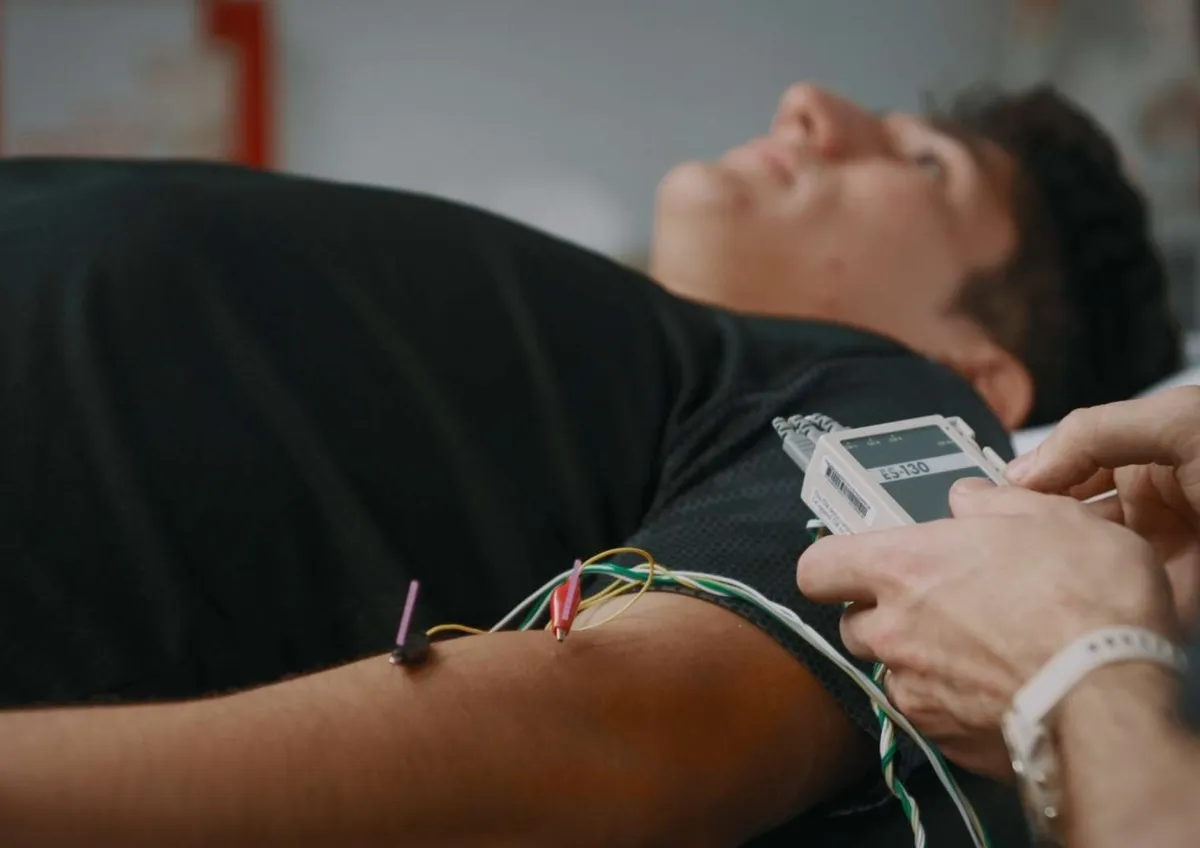
Dry needling uses thin, sterile needles to target tight or irritated muscle tissue. It may help reduce tension, improve mobility, and make movement more comfortable.

What It Does For You:
Creates an opportunity for easier movement so we can follow it with mobility, strength, and movement training.
May Help With:
Muscle tightness, trigger points, restricted mobility, and certain tendon or overuse concerns.
Dynamic Cupping Therapy
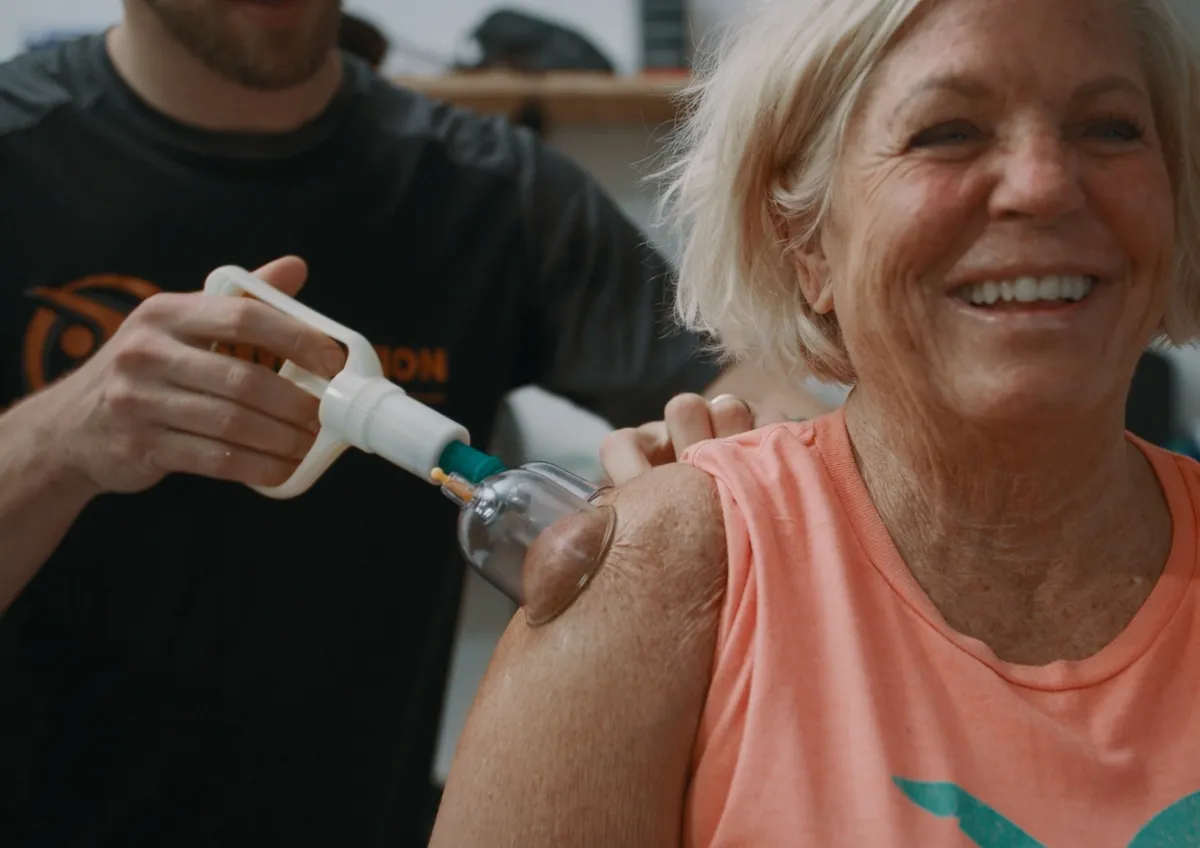
Cupping uses gentle suction to lift the skin and underlying tissue. When combined with movement, it may help reduce feelings of tightness and make certain motions more comfortable.
What It Does For You:
May provide short-term relief from stiffness or soreness, creating an opportunity to work on mobility and strength.
May Help With:
Back or shoulder stiffness, muscle tightness, post-workout soreness, and restricted movement.
Blood Flow Restriction (BFR)
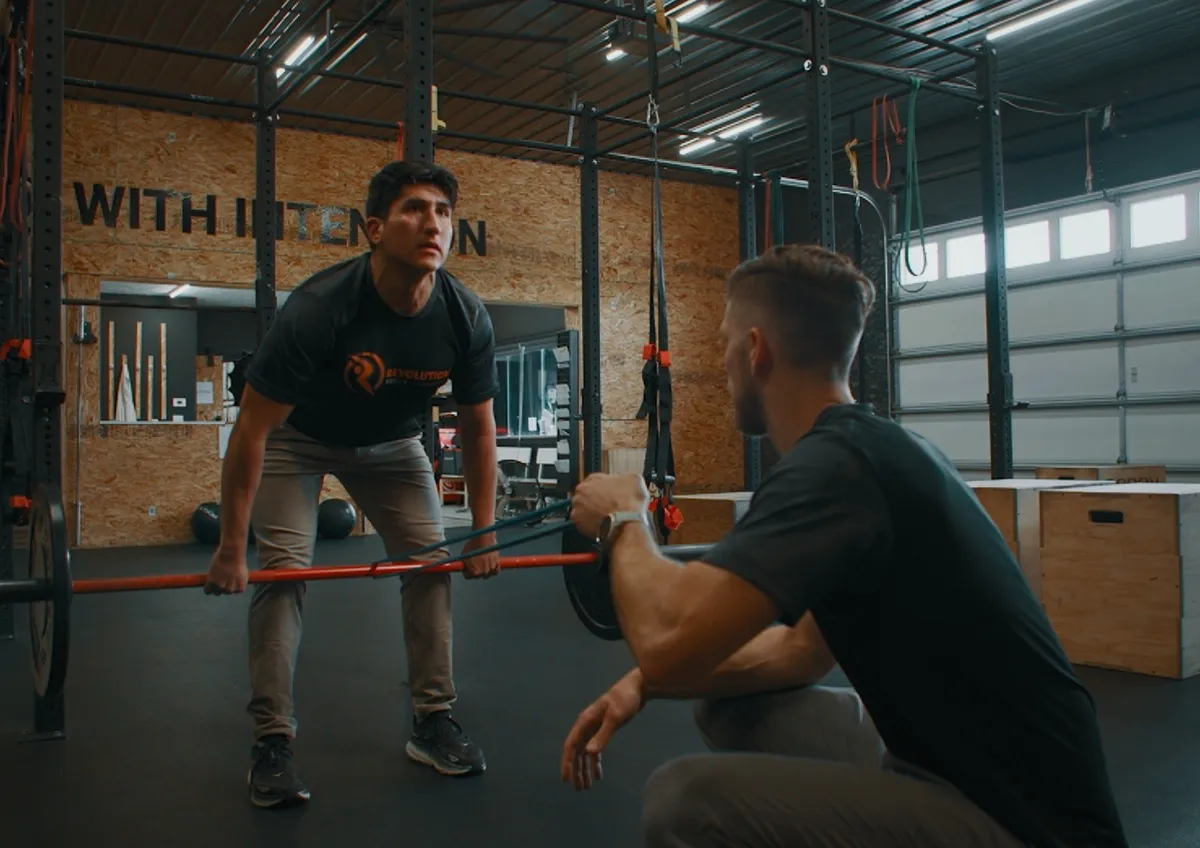
BFR uses a specialized cuff during light-resistance exercise. When clinically appropriate, it can help challenge the muscles without requiring the heavier weights that may aggravate a painful or recovering area.
What It Does For You:
Helps maintain or rebuild strength while reducing the amount of weight placed on sensitive joints and tissues.
May Help With:
Early-stage rehabilitation, rebuilding strength after surgery or injury, and situations where heavier resistance is temporarily uncomfortable or inappropriate.
Joint Mobilization
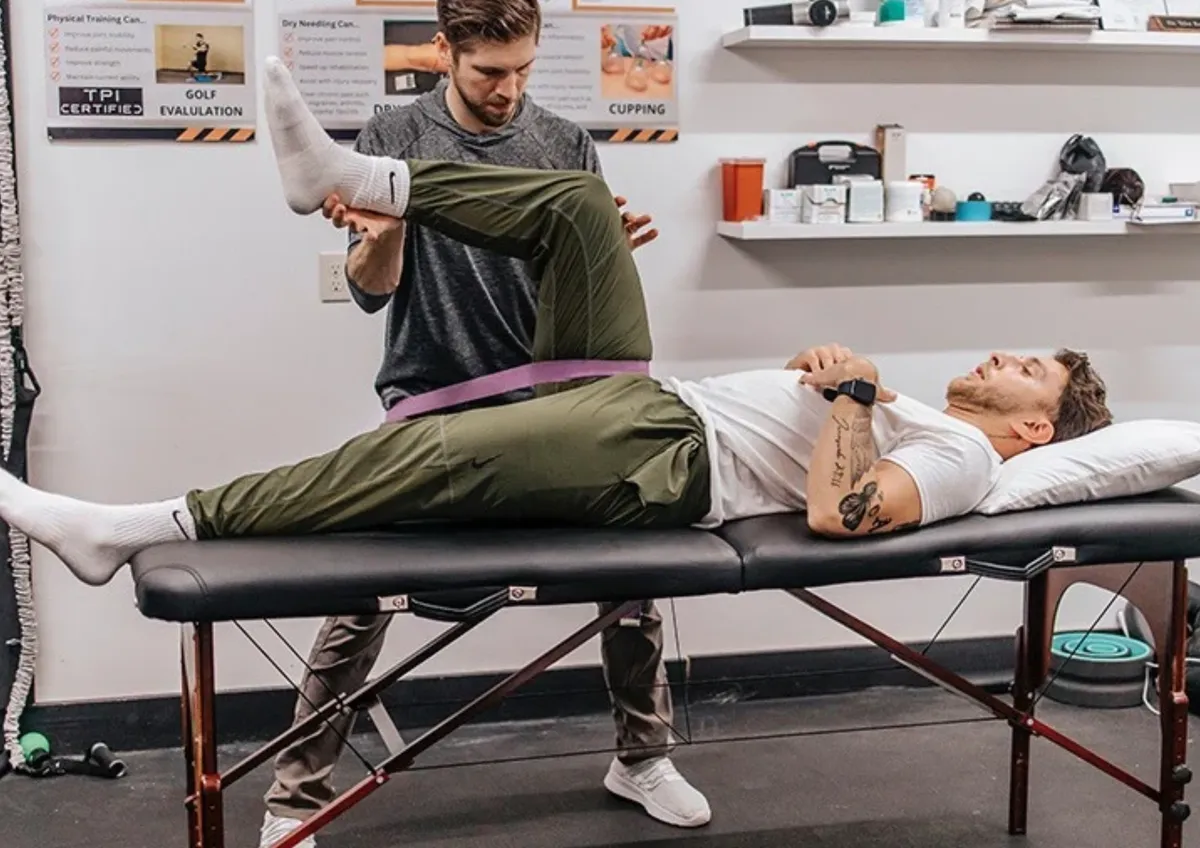
Joint mobilization uses gentle, controlled hands-on movements to address stiffness and improve how a joint moves. It is often followed by active movement and strengthening to help maintain the improvement.
What It Does For You:
May reduce stiffness, improve range of motion, and make movement feel more comfortable.
May Help With:
Stiff ankles, limited hip mobility, restricted upper-back movement, and joints that feel guarded or difficult to move.
IASTM
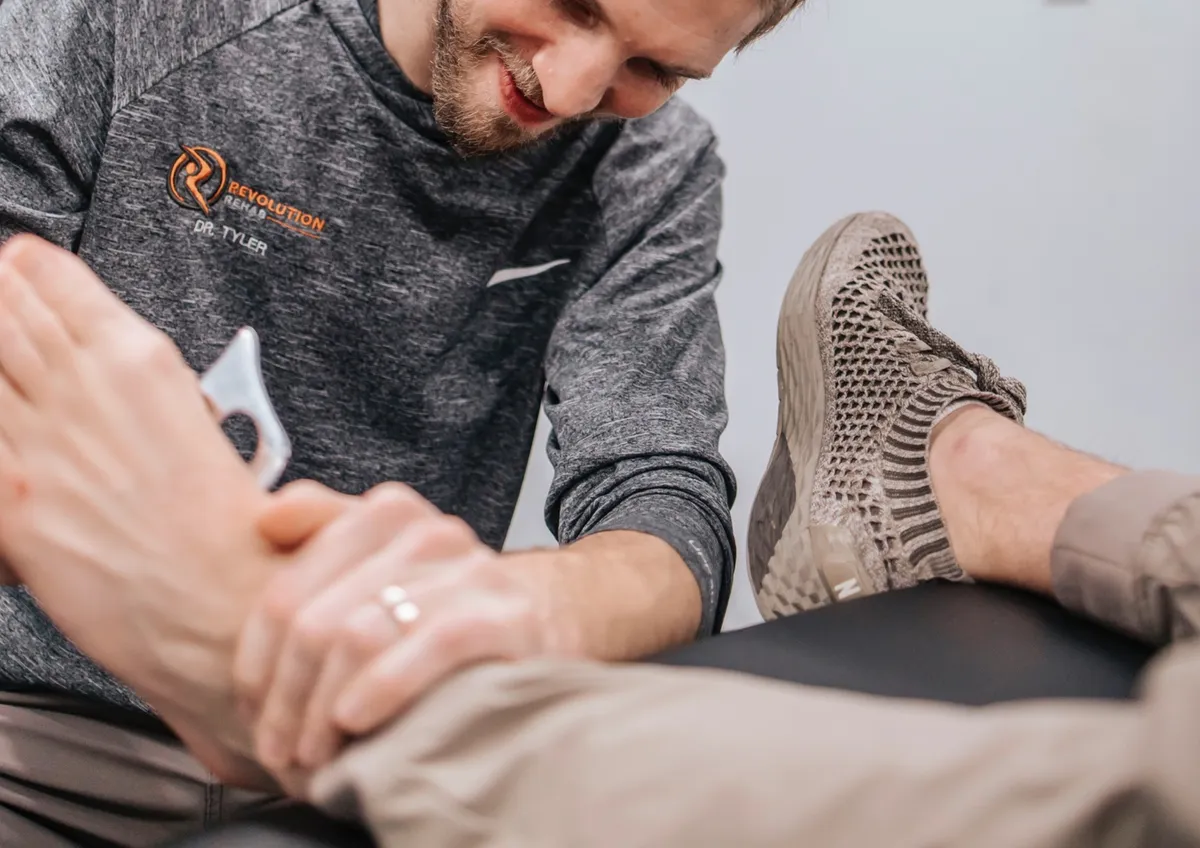
IASTM uses specialized instruments that glide over the skin and soft tissue. It may help reduce sensitivity, improve comfort, and make movement feel less restricted.
What It Does For You:
Provides targeted input to sensitive or tight areas, creating an opportunity to work on mobility, movement, and strength.
May Help With:
Localized muscle tightness, soft-tissue sensitivity, restricted mobility, and certain overuse concerns involving the calves, hamstrings, Achilles tendon, or forearms.
Comprehensive Manual Therapy
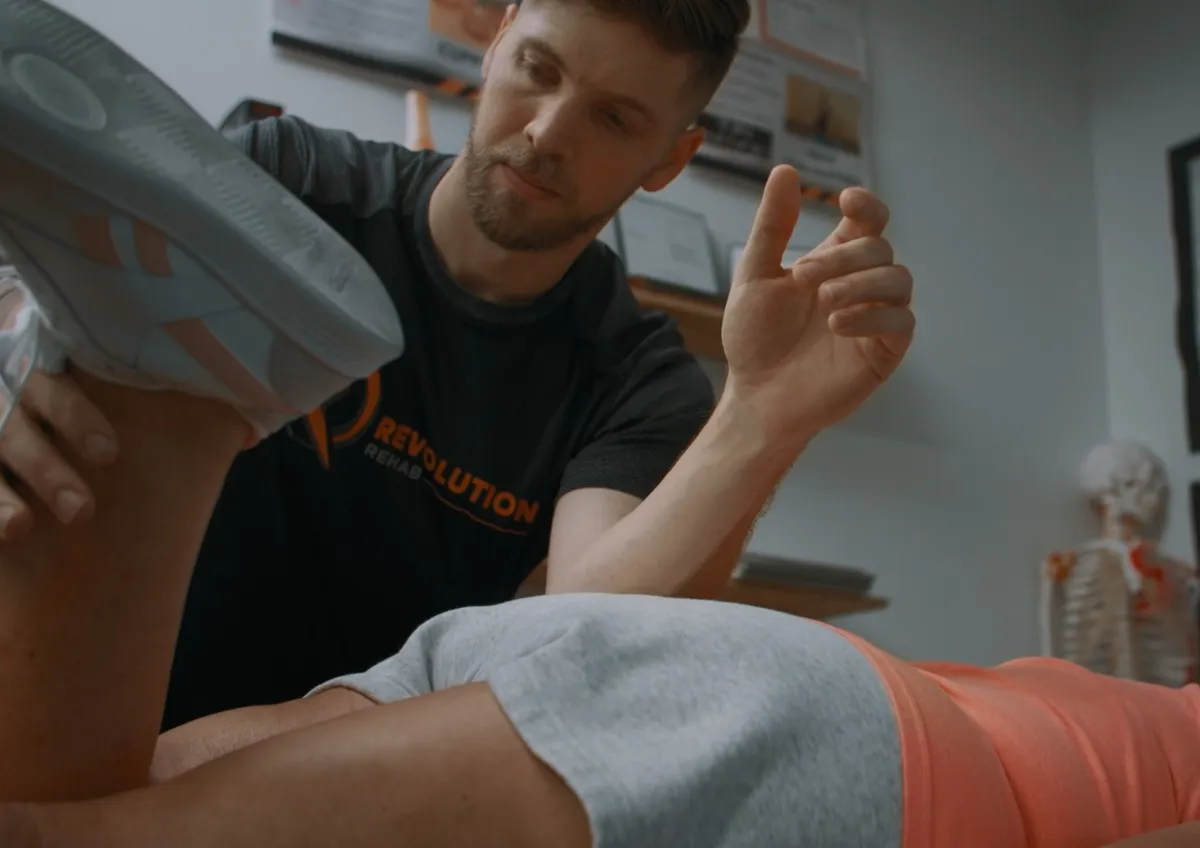
Manual therapy includes hands-on techniques selected around your specific needs. It may include soft-tissue work, guided movement, or joint techniques to address discomfort, stiffness, and movement limitations.
What It Does For You:
May reduce discomfort and improve movement so you can participate more comfortably in mobility and strengthening exercises.
May Help With:
Muscle guarding, acute flare-ups, lower-back discomfort, joint stiffness, and movement that feels painful or restricted.
What Clients Are Saying
Real People. Real Progress.

FAQs
Common Questions About Treatment Techniques
How can dry needling help with muscle tightness and pain?
Dry needling uses thin, sterile needles to target tight or irritated muscle tissue. It may help reduce tension, improve mobility, and make movement more comfortable. We follow it with mobility and strengthening exercises to support lasting progress.
What is the purpose of cupping therapy?
Cupping uses gentle suction to lift the skin and underlying tissue. When combined with movement, it may help reduce feelings of tightness or soreness and make certain movements more comfortable.
What is Blood Flow Restriction training?
Blood Flow Restriction, or BFR, uses a specialized cuff during light-resistance exercise. When appropriate, it can help maintain or rebuild strength without requiring heavier weights that may aggravate a painful or recovering area.
How can IASTM help with stiffness and restricted movement?
IASTM uses specialized instruments that glide over the skin and soft tissue. It may help reduce sensitivity, improve comfort, and make movement feel less restricted.
Why do physical therapists use manual therapy and joint mobilization?
Manual therapy and joint mobilization use controlled, hands-on techniques to address discomfort, stiffness, and movement limitations. They may provide short-term relief and improve movement so you can participate more comfortably in mobility and strengthening exercises.
Are dry needling, cupping, and manual therapy enough to permanently fix an injury?
No single treatment technique can guarantee a permanent fix. These techniques may reduce discomfort and improve movement, but lasting progress typically requires mobility work, strengthening, and gradually rebuilding your capacity for everyday activities or training.
How do you decide which treatment techniques to use?
During your one-on-one evaluation, Tyler reviews your symptoms, movement, activity level, and goals. He then selects the techniques and exercises that best fit your individual needs. Not every treatment is appropriate or necessary for every person.
Stay connected and keep your wellness journey on track with our expert physical therapist. Subscribe for the latest updates, exclusive offers, and tips. Join our community and develop the capacity to experience life!
Pages
Information

Address
4981 Plainfield Avenue Northeast Suite D, Grand Rapids MI 49525

Call Us
(616) 344-4469


Fax
(616) 841-9970


© 2026 Revolution Rehab - All Rights Reserved | Healthcare Disclaimer | HIPAA Privacy Policy | Privacy Policy | Terms Of Service | Accessibility Statement | Anti-Discrimination | Good Faith Estimate | AI-Generated Content Disclaimer | XMLSitemap